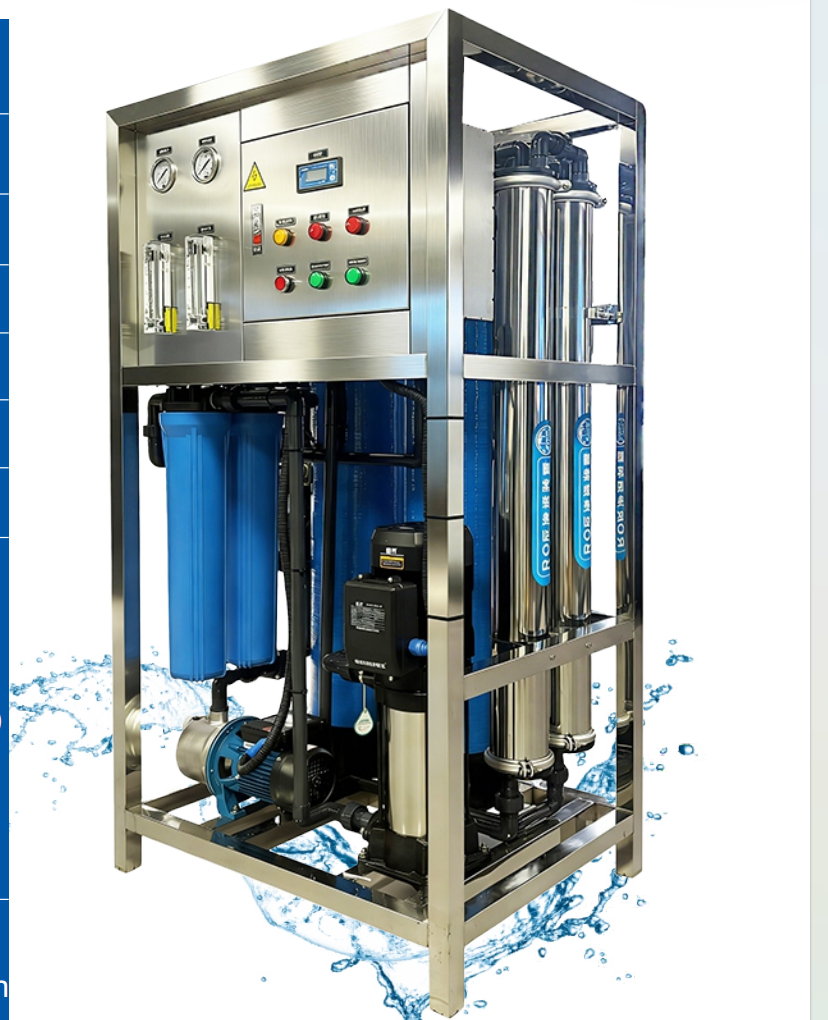
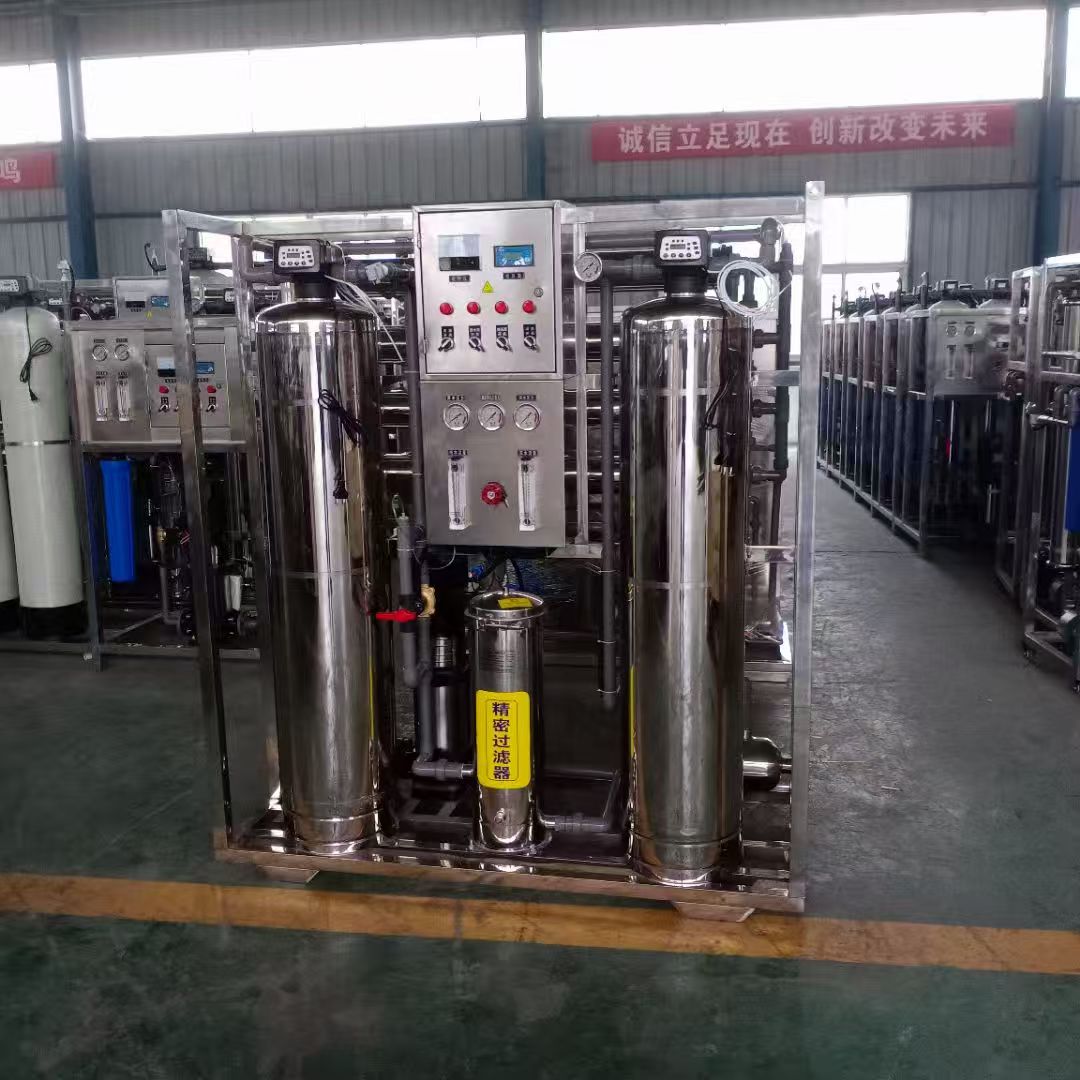
UV Sterilization Tube: Role and Function
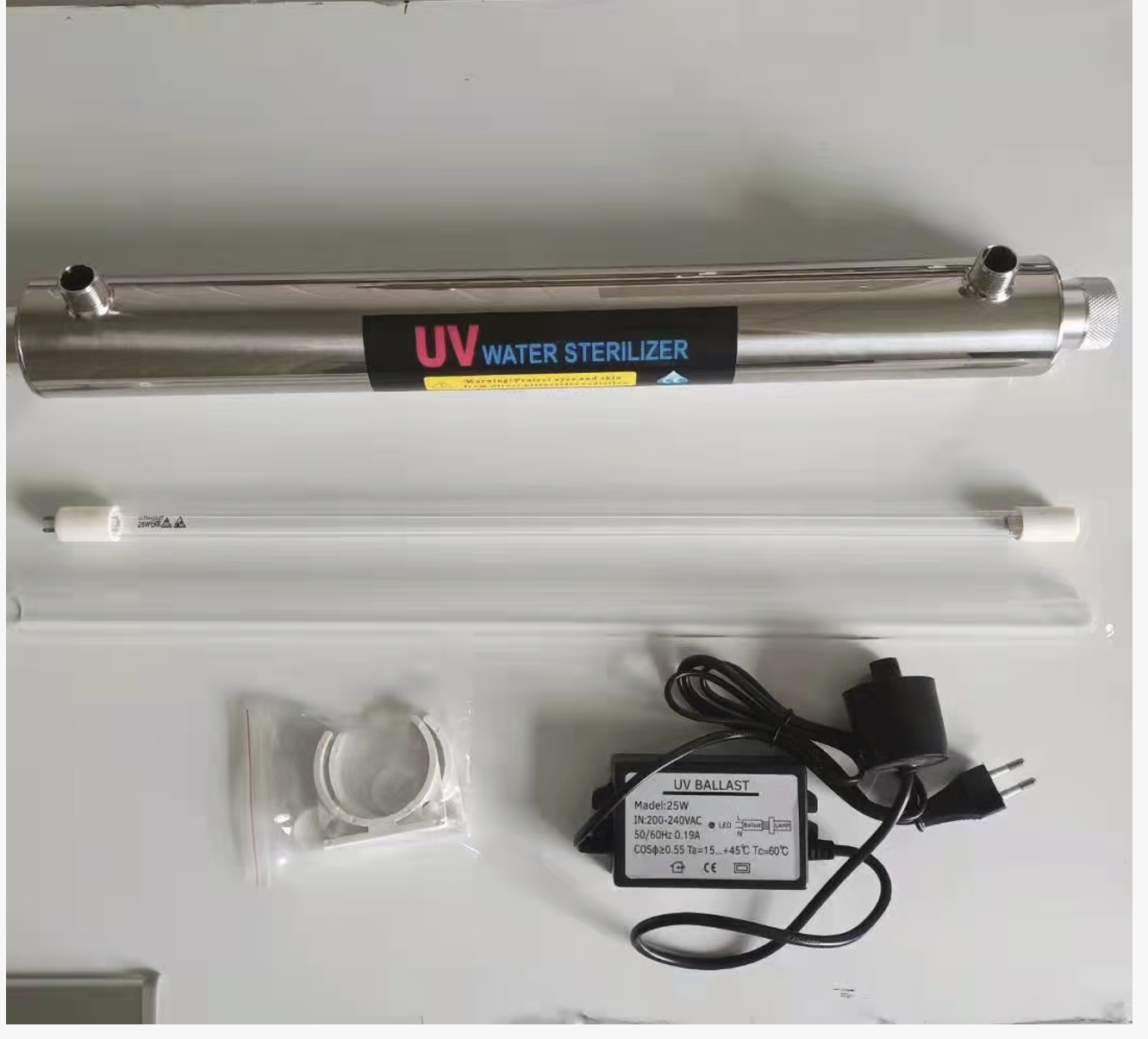
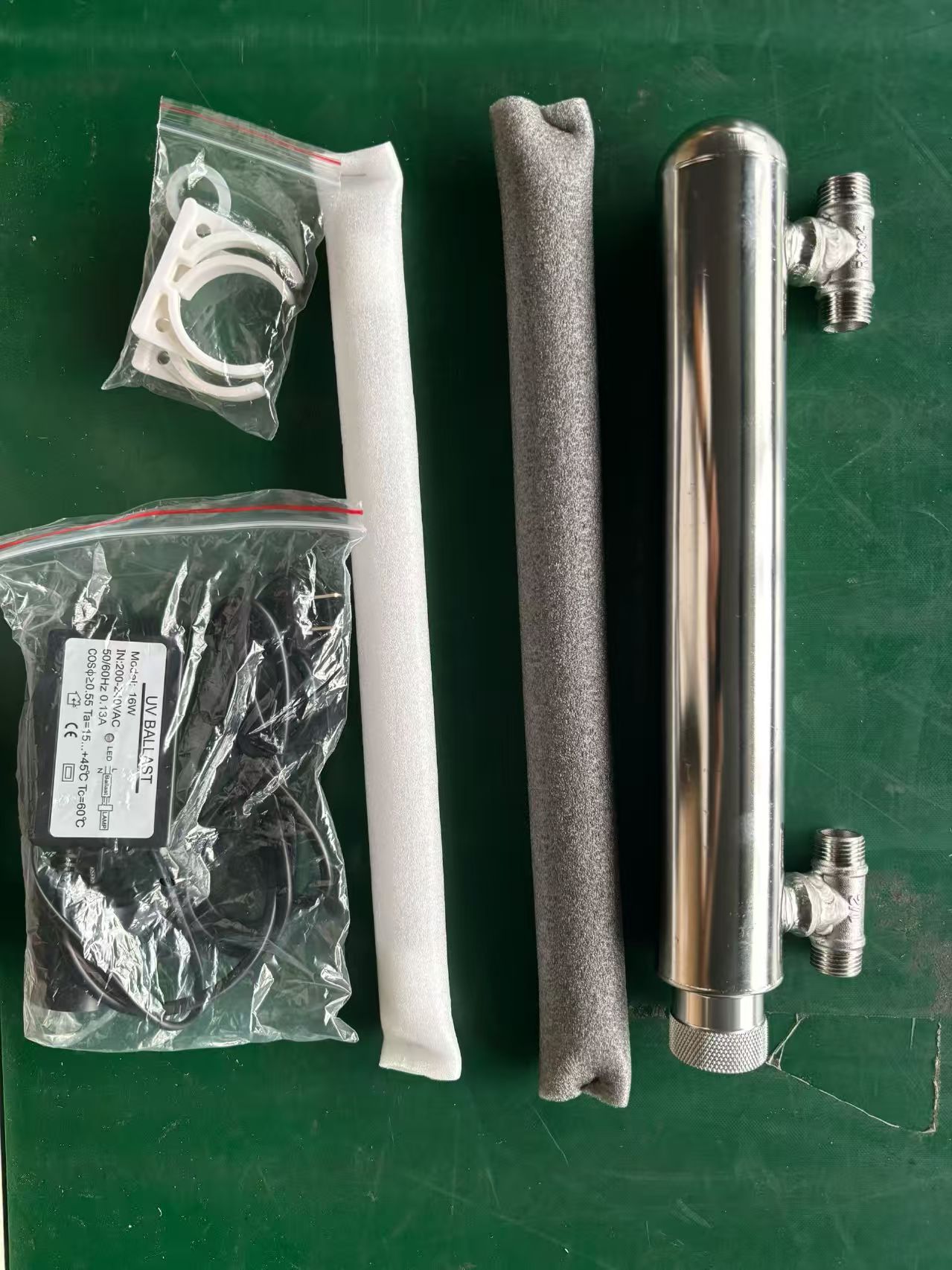
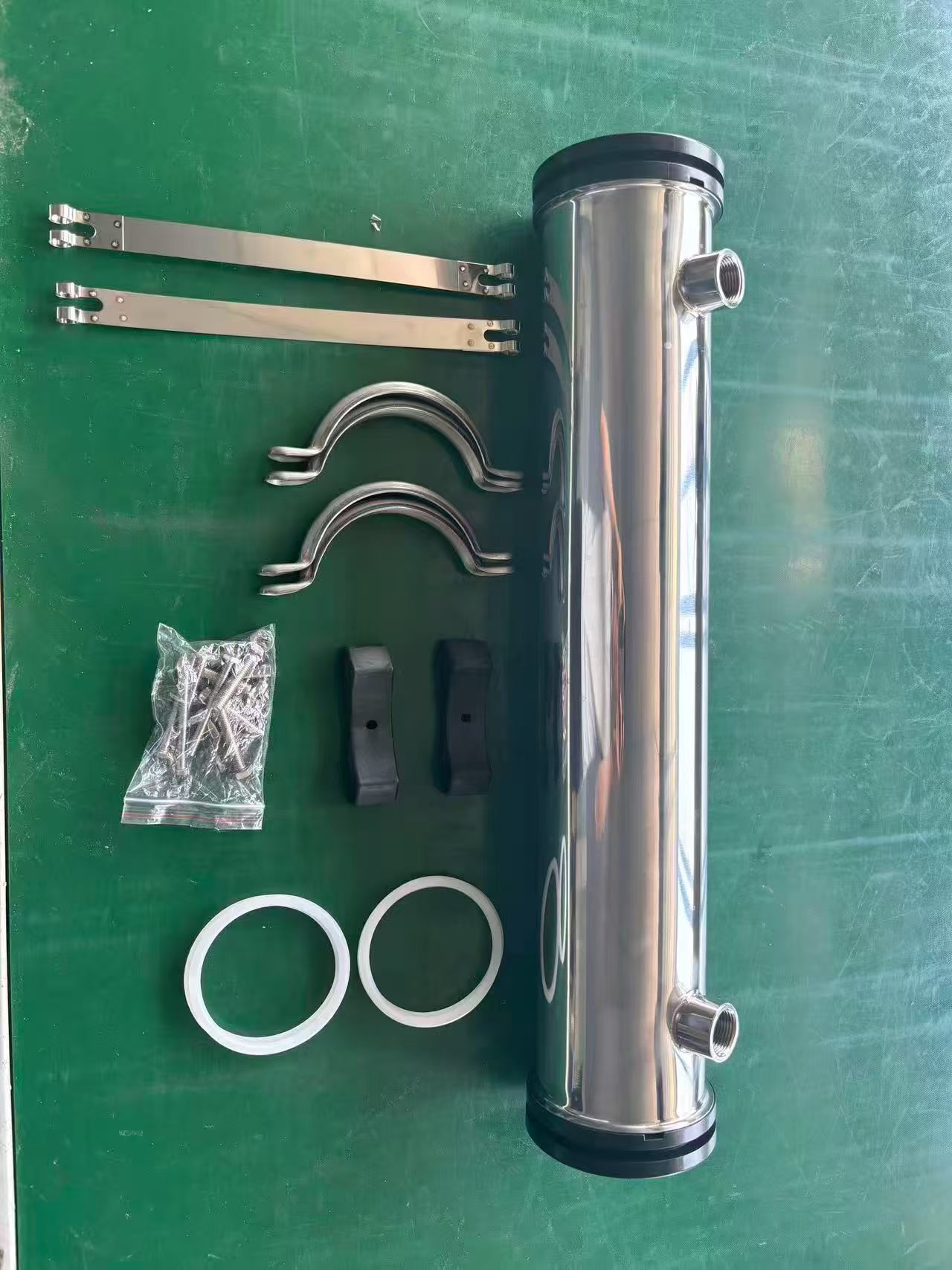
A UV sterilization tube (UV lamp) is a post-treatment disinfection device used in small industrial water treatment systems, typically installed after the RO membrane and before the pure-water storage tank or point of use. It emits UV-C light, usually at a wavelength of 254 nm, generated by a low-pressure mercury lamp or UV-LED. When water flows through a stainless-steel or quartz reaction chamber surrounding the lamp, the UV-C radiation penetrates microbial cells and damages their DNA/RNA, preventing replication and thereby inactivating bacteria, viruses, and other microorganisms.
Main functions and roles:
• Microbiological disinfection: Inactivates bacteria, viruses, and protozoan cysts without adding chemicals.
• Prevention of secondary contamination: Suppresses microbial regrowth in the pure-water tank, pipeline, and downstream equipment after RO treatment.
• Product-water safety: Provides a final barrier for potable, laboratory, food-and-beverage, and small industrial pure-water applications.
• No chemical residue or taste/odor impact: Unlike chlorination, UV treatment does not alter water chemistry or produce disinfection by-products under normal operation.
Performance notes: Effectiveness depends on UV dose (typically expressed in mJ/cm²), water clarity/UV transmittance, flow rate, and lamp condition. UV does not remove dissolved salts, particles, or organic matter; therefore, it is used together with RO and pre-filtration. Quartz sleeves should be cleaned periodically, and lamps should be replaced according to rated life or when UV intensity monitoring indicates insufficient dose.